Ditch Installation in Atlanta, GA
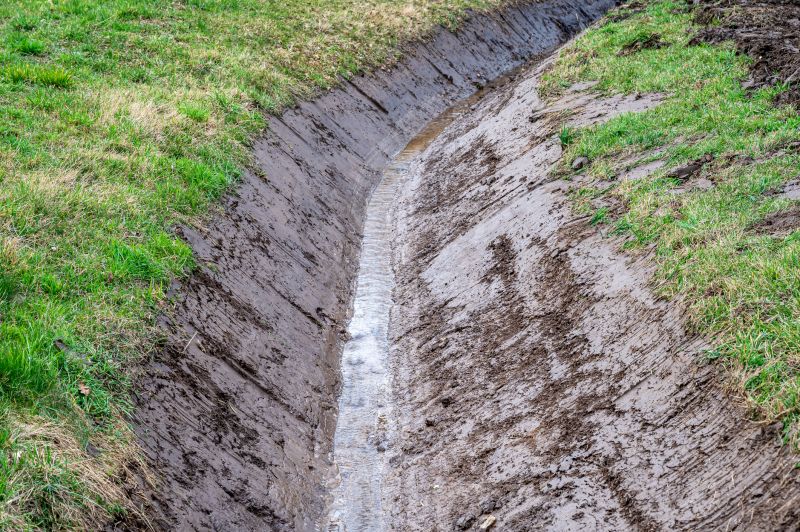
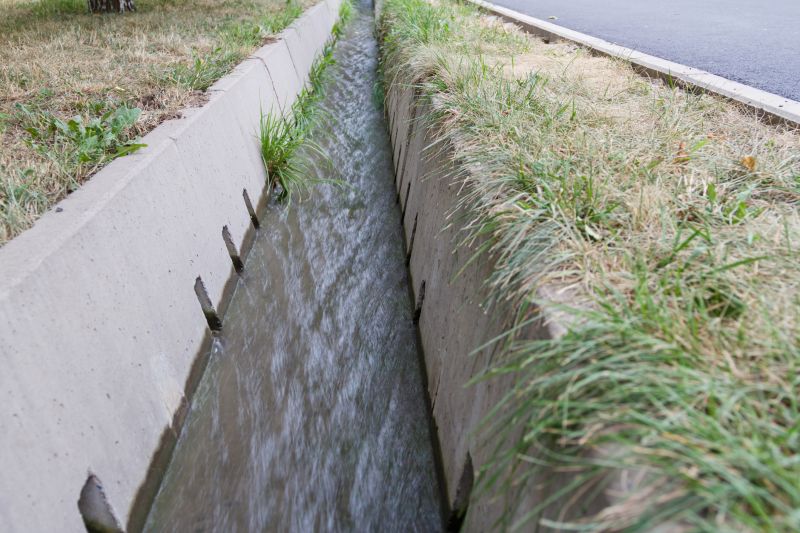
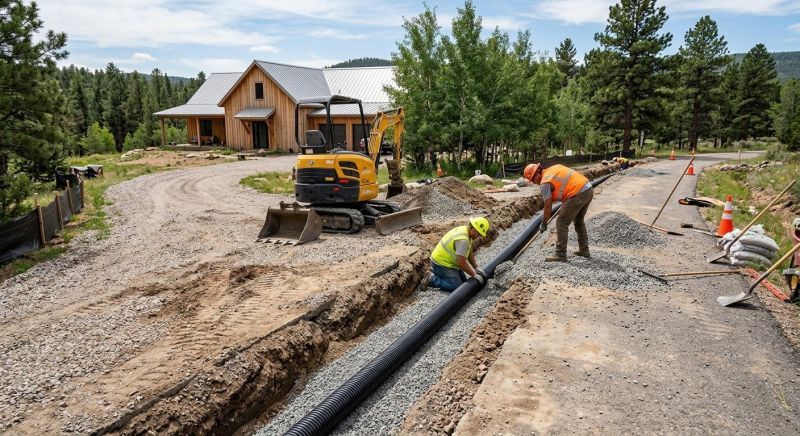
Ditch installation services involve the construction of trenches or channels designed to direct water away from structures, manage drainage, or prevent flooding on residential properties. These projects typically include installing underground drains, French drains, or other drainage systems to improve water flow and protect landscaping, foundations, and basements. Homeowners often request ditch installation when experiencing issues with standing water, soil erosion, or inadequate drainage around their property, especially after heavy rains or during seasonal changes.
Before requesting ditch installation, property owners should consider the layout of their land, existing drainage problems, and the type of soil. It’s important to understand the desired outcome, such as redirecting water flow or preventing pooling, and to communicate any specific site constraints or preferences. Proper planning ensures the drainage system effectively addresses the property’s needs and integrates with existing landscaping or infrastructure.
Many property owners in Atlanta, GA look into Ditch Installation for repairs, replacements, upgrades, and appearance-related improvements.
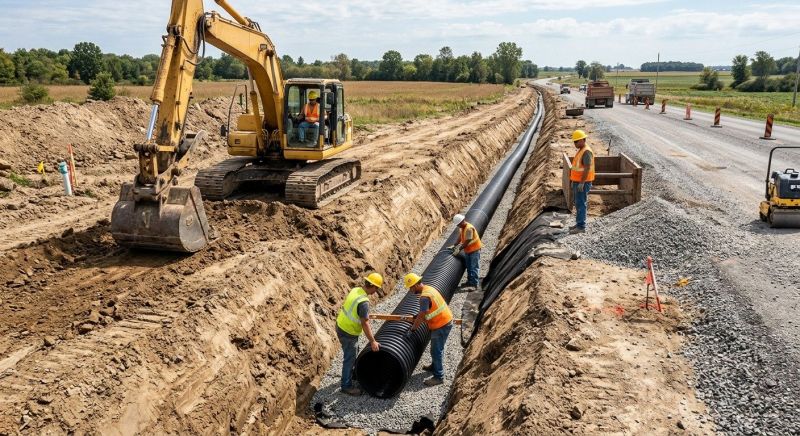
Types Of Ditches
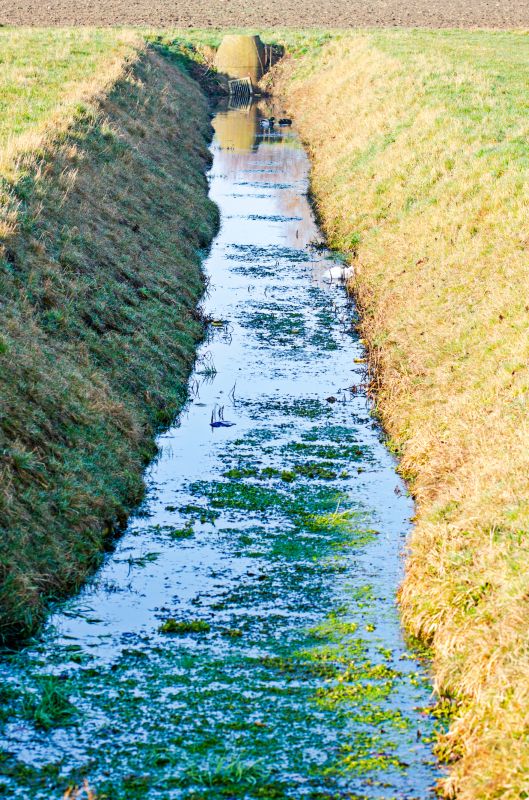
Different ditch styles serve various drainage and landscaping needs around atlanta properties.
Common Uses
Ditches are often installed for stormwater management, irrigation, and property erosion control.
Installation Considerations
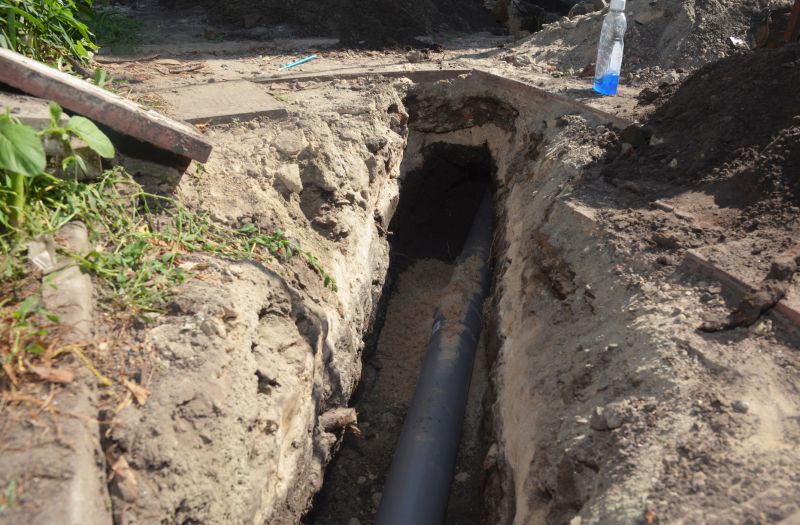
Proper planning and excavation are essential for effective ditch performance and long-term durability.
Ditch Installation in Atlanta, GA
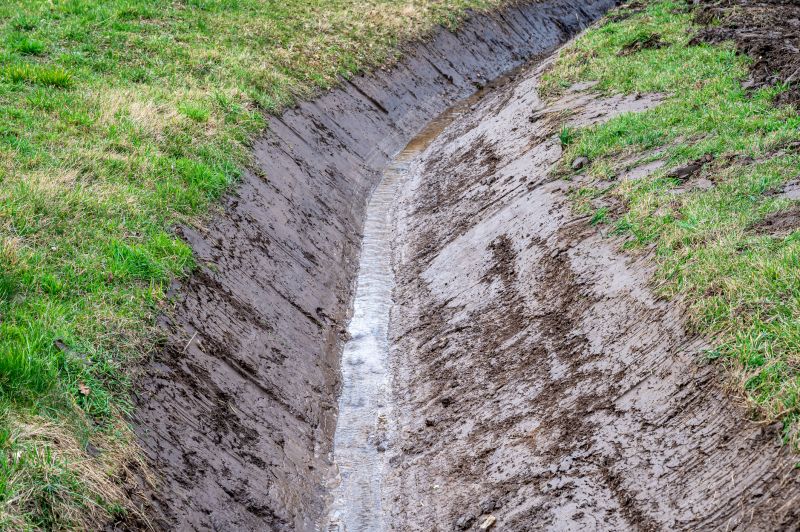
Ditch installation services involve the construction of trenches or channels designed to direct water away from structures, manage drainage, or prevent flooding on residential properties. These projects typically include installing underground drains, French drains, or other drainage systems to improve water flow and protect landscaping, foundations, and basements. Homeowners often request ditch installation when experiencing issues with standing water, soil erosion, or inadequate drainage around their property, especially after heavy rains or during seasonal changes.
Before requesting ditch installation, property owners should consider the layout of their land, existing drainage problems, and the type of soil. It’s important to understand the desired outcome, such as redirecting water flow or preventing pooling, and to communicate any specific site constraints or preferences. Proper planning ensures the drainage system effectively addresses the property’s needs and integrates with existing landscaping or infrastructure.
Many property owners in Atlanta, GA look into Ditch Installation for repairs, replacements, upgrades, and appearance-related improvements.
Common Ditch Installation Jobs
Drainage Ditch Installation - helps manage excess water and prevent flooding around the property.
French Drain Systems - directs groundwater away from foundations to reduce water intrusion risks.
Swale Construction - creates natural channels to improve surface water runoff and soil stability.
Dry Creek Beds - adds aesthetic appeal while guiding stormwater safely through landscaped areas.
Erosion Control Ditches - stabilizes slopes and prevents soil loss during heavy rains.
Perimeter Drainage Solutions - protects basement and crawl space areas from water damage.
Ditch Installation Questions
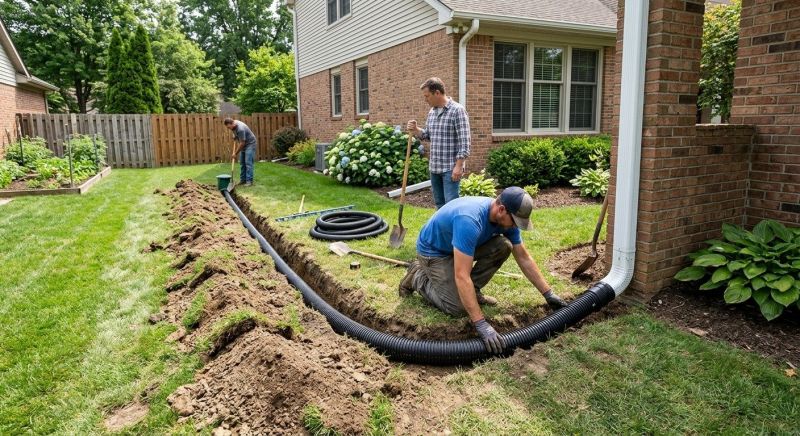
What is the purpose of a ditch installation? Ditch installation helps manage water runoff, prevent erosion, and improve drainage around a property.
What types of projects typically require a ditch? Ditches are often used for yard drainage, stormwater management, and directing water away from foundations.
What materials are used for ditch construction? Common materials include soil, gravel, and sometimes concrete or plastic piping for enhanced drainage.
Is professional installation necessary for a ditch? Yes, professional installation ensures proper grading and positioning for effective water management.
Request Ditch Installation in Atlanta, GA
Use the quote form on this page to share the basics of your project and request more information for the type of work you need.