Field Leveling in Houston, TX
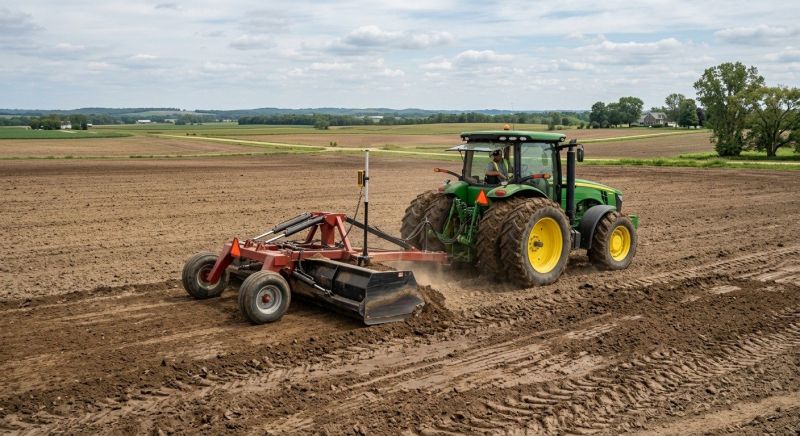
Field leveling services are designed to correct uneven or sloped terrain on residential properties, creating a stable and even surface for various projects. This process is commonly used for preparing yards for landscaping, installing driveways, building patios, or ensuring proper drainage around the home. Property owners typically seek field leveling to improve the safety, appearance, and functionality of outdoor spaces, especially when dealing with areas that have settled over time or have been affected by natural ground movement.
Before requesting field leveling, homeowners often want to understand the scope of the project, including the extent of the unevenness and the type of soil or terrain involved. It’s also helpful to know how the process might impact existing landscaping, structures, or drainage systems. Clarifying these details can ensure the work aligns with the property’s needs and that any specific concerns, such as preventing future settling or erosion, are addressed effectively.
Many property owners in Houston, TX look into Field Leveling for repairs, replacements, upgrades, and appearance-related improvements.
Ensuring A Level Foundation
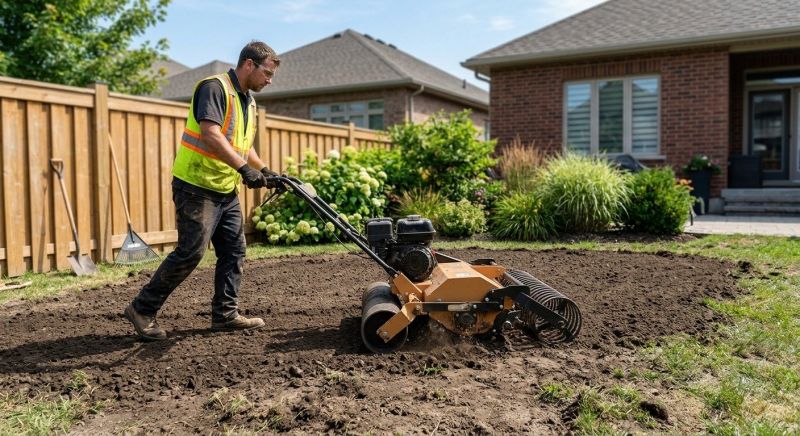
Proper field leveling prevents uneven settling and foundation issues on residential and commercial properties.
Preparing Land For Construction
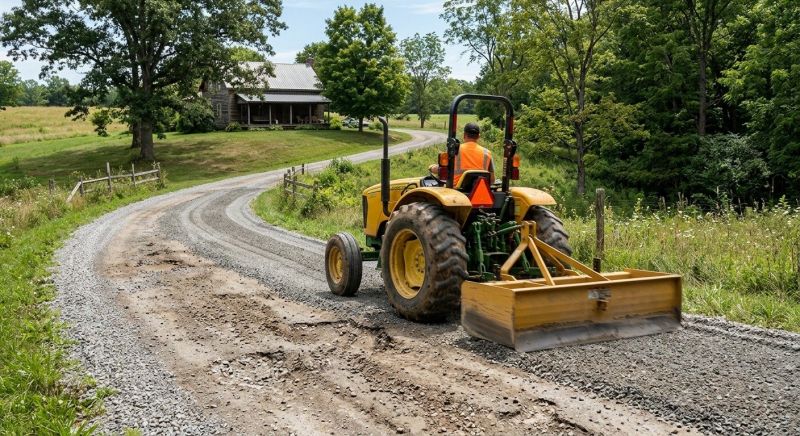
Leveling the ground creates a stable base for building driveways, patios, and landscaping projects in houston, tx.
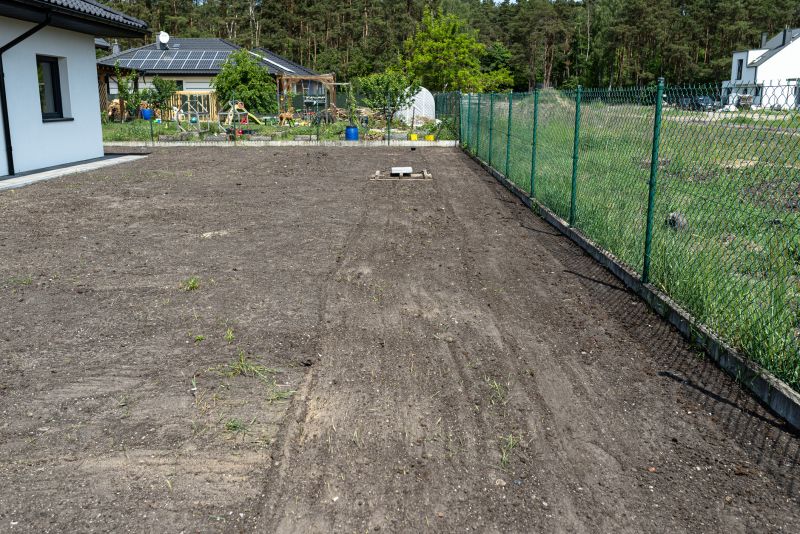
Maintaining Property Drainage
Correct field leveling helps manage water flow and reduces the risk of erosion around your property.
Field Leveling in Houston, TX
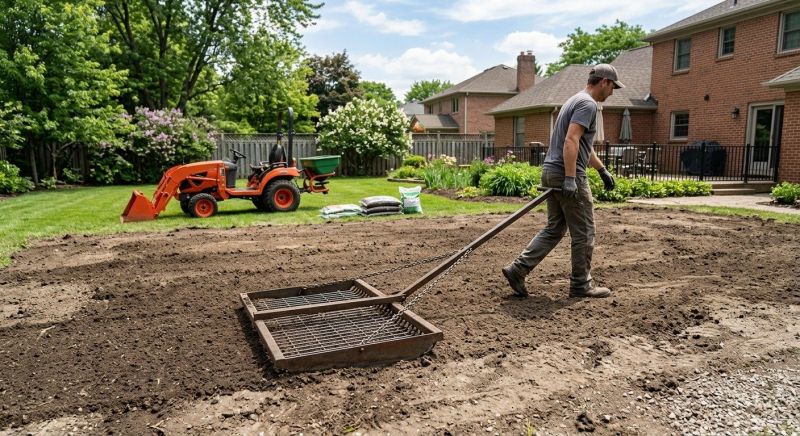
Field leveling services are designed to correct uneven or sloped terrain on residential properties, creating a stable and even surface for various projects. This process is commonly used for preparing yards for landscaping, installing driveways, building patios, or ensuring proper drainage around the home. Property owners typically seek field leveling to improve the safety, appearance, and functionality of outdoor spaces, especially when dealing with areas that have settled over time or have been affected by natural ground movement.
Before requesting field leveling, homeowners often want to understand the scope of the project, including the extent of the unevenness and the type of soil or terrain involved. It’s also helpful to know how the process might impact existing landscaping, structures, or drainage systems. Clarifying these details can ensure the work aligns with the property’s needs and that any specific concerns, such as preventing future settling or erosion, are addressed effectively.
Many property owners in Houston, TX look into Field Leveling for repairs, replacements, upgrades, and appearance-related improvements.
Common Field Leveling Jobs
Residential properties - leveling services help correct uneven or sloping lawns and driveways.
Commercial sites - ensuring flat, stable surfaces for parking lots and building foundations.
Landscape adjustments - leveling to prepare yards for planting, sod, or new landscaping features.
Foundation support - addressing minor soil settlement issues that affect building stability.
Drainage correction - improving slope and surface flow to prevent water pooling and erosion.
Construction prep - leveling surfaces before new structures or extensions are built.
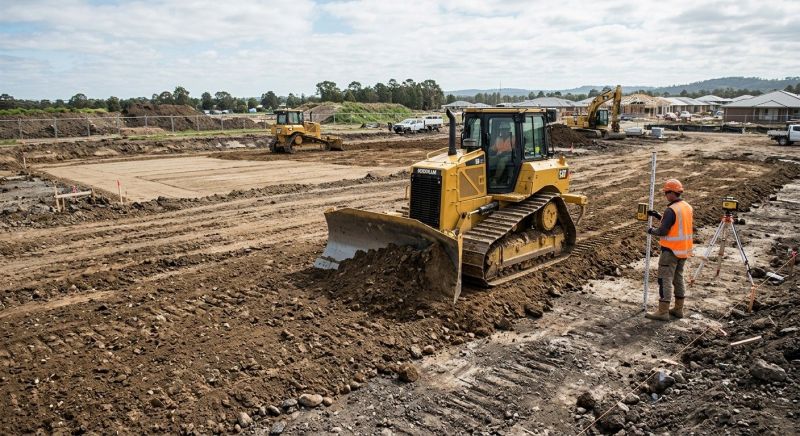
Field Leveling Questions
What is field leveling? Field leveling involves adjusting the ground surface to create a flat and stable area, often for construction or landscaping projects.
When is field leveling needed? It is typically required when a property has uneven terrain that affects drainage, foundation stability, or usability.
What types of projects benefit from field leveling? Projects such as building foundations, patios, driveways, and sports fields often require field leveling services.
How does field leveling improve property value? By providing a stable, even surface, it enhances the safety, appearance, and functionality of outdoor spaces.
Request Field Leveling in Houston, TX
Use the quote form on this page to share the basics of your project and request more information for the type of work you need.